Landscape Design Ideas: Inspiring Tips for Your Perfect Outdoor Space
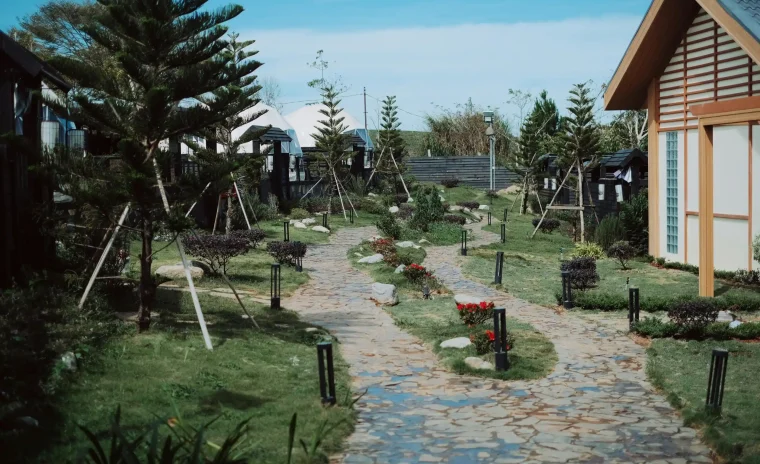
Creating a beautiful outdoor space starts with the right vision. Many homeowners search for landscape design ideas to turn plain yards into relaxing, functional, and visually appealing environments. Whether you have a compact backyard or a large garden, thoughtful planning can completely transform how your outdoor space looks and feels.
Before diving into layouts, plants, or decorative features, it’s important to understand what is landscape design and how it shapes the way your outdoor space is built and experienced.
What Is Landscape Design?
What is landscape design? It is the art and science of planning and arranging outdoor spaces to create balance between natural elements (like plants and trees) and man-made features (like patios, walkways, and lighting).
Good landscape design combines beauty with functionality. It ensures your outdoor space is not only attractive but also practical for everyday use. Whether you want a peaceful garden retreat, a family-friendly yard, or an entertainment area, landscape design helps bring that vision to life.
Landscape Design Basics You Should Know
Understanding landscape design basics is the first step toward creating a well-planned outdoor environment. These core principles help guide every design decision:
- Unity and Harmony
All elements in your landscape should feel connected. Plants, pathways, and structures should complement each other rather than compete for attention.
- Balance
Balance can be symmetrical (formal and structured) or asymmetrical (natural and relaxed). Both styles can work depending on your preference.
- Focal Points
Every landscape should have a focal point such as a water feature, sculpture, tree, or seating area that draws attention.
- Proportion
Ensure that plants, furniture, and structures are appropriately sized for your space. Oversized elements can overwhelm small yards, while small features may get lost in larger spaces.
- Rhythm and Repetition
Repeating shapes, colors, or plant types creates visual flow and makes the landscape feel cohesive.
Mastering these basics makes it easier to apply any landscape design ideas effectively.
How to Design a Landscape: Step-by-Step Guide
If you’re wondering how to design a landscape, the process becomes much easier when broken into simple steps. A well-structured landscape planning guide ensures nothing is overlooked.
Step 1: Assess Your Space
Start by evaluating your yard’s size, shape, sunlight exposure, soil type, and drainage. Understanding these conditions helps you choose the right plants and features.
Step 2: Define Your Purpose
Ask yourself how you want to use your outdoor space. Do you want a relaxing garden, an entertainment area, a play zone, or a mix of everything?
Step 3: Create a Rough Layout
Sketch your yard and map out key zones such as seating areas, garden beds, walkways, and focal points. This helps visualize your design before starting work.
Step 4: Choose Plants and Materials
Select plants based on climate, maintenance level, and aesthetics. Combine textures, colors, and heights for visual interest. Add materials like stone, wood, or gravel to enhance structure.
Step 5: Add Functional Features
Incorporate elements like lighting, irrigation systems, patios, or water features to improve usability and comfort.
Step 6: Refine and Adjust
A good landscape evolves over time. Don’t be afraid to adjust your layout as plants grow and your needs change.
Creative Landscape Design Ideas for Every Yard
Now that you understand the basics, let’s explore inspiring landscape design ideas that can transform any outdoor space.
- Cozy Backyard Retreat
Turn your backyard into a relaxing escape with comfortable seating, soft lighting, and lush greenery. Add a fire pit for warmth and ambiance during cooler evenings.
- Modern Minimalist Garden
Use clean lines, geometric shapes, and simple plant selections like ornamental grasses or succulents. Pair with concrete or stone pathways for a sleek, modern look.
- Tropical Paradise
Create a lush, tropical feel using palm trees, large leafy plants, and vibrant flowers. Add a water feature like a small pond or fountain for a soothing atmosphere.
- Functional Family Yard
Design your space with both play and relaxation in mind. Include open lawn areas for kids, shaded seating for adults, and durable pathways for easy movement.
- Vertical Gardens for Small Spaces
If you have limited space, vertical gardens are perfect. Use wall planters, trellises, or hanging pots to maximize greenery without taking up ground space.
- Stone and Natural Elements
Incorporate natural stone pathways, rock gardens, and wooden accents to create a rustic and organic feel.
- Outdoor Dining Area
Extend your living space outdoors with a dining setup. Add a patio, grill station, and overhead lighting to create the perfect entertainment area.
Choosing the Right Plants for Your Landscape
Plants are the heart of any landscape. When selecting them, consider:
- Climate compatibility
- Maintenance level
- Growth size and spread
- Seasonal color changes
Mix evergreen plants for year-round structure with seasonal flowers for color and variety. Layering plants by height creates depth and makes your landscape more visually appealing.
Landscape Planning Guide Tips for Success
A strong landscape planning guide helps ensure long-term success. Keep these tips in mind:
- Plan for growth, plants will expand over time
- Group plants with similar water needs
- Leave enough space for maintenance access
- Use mulch to retain moisture and reduce weeds
- Install lighting for safety and nighttime appeal
Good planning reduces maintenance and increases enjoyment of your outdoor space.
Common Mistakes to Avoid in Landscape Design
Even great ideas can fail without proper execution. Avoid these common mistakes:
- Overcrowding plants
- Ignoring sunlight and shade patterns
- Choosing plants that don’t suit the climate
- Skipping a clear layout plan
- Forgetting drainage and irrigation needs
Avoiding these errors ensures your landscape remains healthy and visually appealing.
Final Thoughts
Exploring landscape design ideas is the first step toward transforming your outdoor space into something truly special. With a solid understanding of landscape design basics, a clear landscape planning guide, and practical steps on how to design a landscape, you can create an outdoor environment that is both beautiful and functional.
Whether you’re aiming for a peaceful retreat, a vibrant garden, or a family-friendly yard, the right design choices will bring your vision to life. Start small, plan carefully, and let your creativity shape a space you’ll enjoy for years to come.